Posts

A good month to travel to Korea

Image
Choosing the Best Time to Visit Korea If you're planning a trip to Korea, it's important to choose the best time to visit to ensure you get the most out of your experience. Korea is a country with a varied climate and distinct seasons, so understanding when to go and what to expect can make all the difference. In this article, we'll explore the different seasons in Korea and provide some tips for choosing the best time to visit based on your preferences. Overview of Korea's Seasons Korea has four distinct seasons: spring, summer, fall, and winter. Each season has its own unique climate and weather patterns. Spring (March to May) Spring in Korea is a popular time to visit because of the mild weather and beautiful cherry blossoms. The temperatures are usually around 10-20°C, making it a comfortable time to explore the outdoors. Summer (June to August) Summer in Korea can be hot and humid, with temperatures often reaching 30°C or higher. While this is a popular time to vis...

How to Manage and Reduce Stress

Image
How to Manage and Reduce Stress: A Comprehensive Guide Stress is a common phenomenon in today's fast-paced world, and it can take a toll on our physical and mental health. If you're feeling overwhelmed and wondering why stress won't go away, you're not alone. In this comprehensive guide, we'll explore effective strategies to manage and reduce stress, so you can lead a more balanced and healthy life. Understanding the Nature of Stress Stress is the body's natural response to a perceived threat or challenge. It triggers a cascade of physiological and psychological changes, including increased heart rate, elevated cortisol levels, and heightened alertness. While stress can be beneficial in short bursts, chronic stress can have detrimental effects on our health and well-being. Recognizing the Signs of Chronic Stress Chronic stress can manifest in various ways, and it's essential to recognize the signs early on to address them effectively. Some common symptoms of...

Unhealthy Foods to Avoid for Better Health

Image
 Unhealthy Foods to Avoid for Better Health Maintaining and improving our health requires making informed choices about our diet, considering the nutritional content of the foods we consume and their impact on our well-being. Here are some insights on foods that are detrimental to our health 1.Highly processed foods: Fast food, heavily processed snacks high in added sugars, and pre-packaged meals can all be detrimental to our health. These foods are often loaded with excessive sugar, unhealthy fats, and sodium, which can contribute to issues such as obesity, heart disease, and high blood pressure. 2.High-sugar foods and beverages: Foods and beverages with excessive added sugars, such as candies, soft drinks, and high-sugar desserts, can increase the risk of weight gain, diabetes, and dental problems. 3.High-sodium foods: Processed foods, canned soups, salty snacks, and other foods high in sodium can contribute to high blood pressure, increasing the risk of heart disease and stroke....

How to treat childhood trauma?

Image
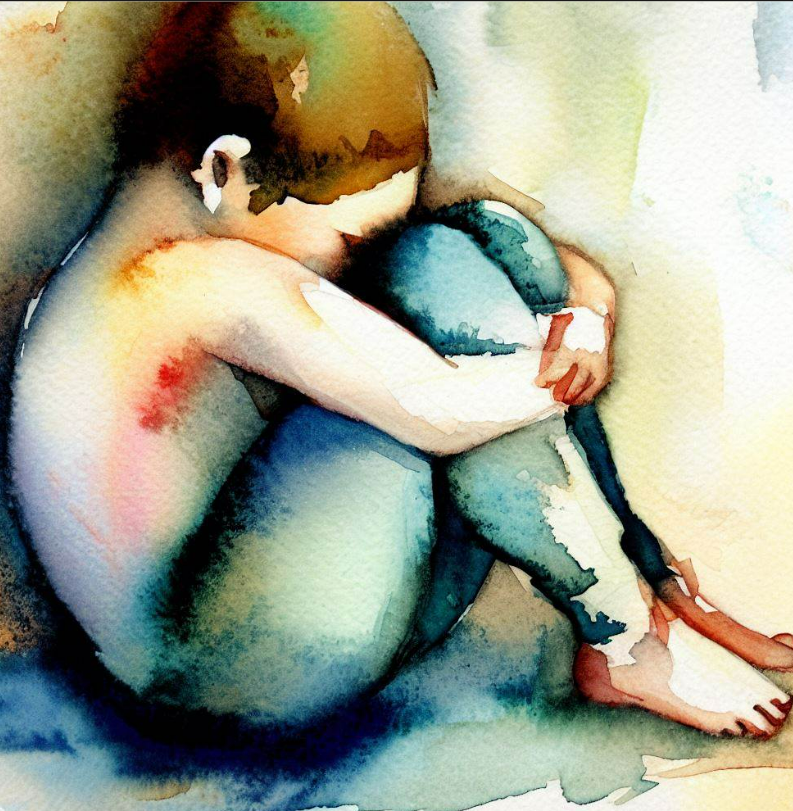
 Healing from childhood trauma is a very personal and frequently difficult path. Here are some broad guidelines that may be useful: Recognize and acknowledge the trauma: Recognizing and acknowledging the trauma is the first step in recovering from childhood trauma. This may entail addressing traumatic memories, feelings, and beliefs formed as a result of the trauma. 1.Seek help: Speaking with a therapist or counselor who specializes in trauma can be a lifeline. They may provide you a secure and supportive environment in which to process and work through your emotions, build coping skills, and gain insights into your experiences. 2.Self-care is essential in the healing process. Take care of your physical, emotional, and mental well-being. This might include regular exercise, adequate sleep, a balanced diet, and participation in activities that offer you joy and relaxation. 3.Set healthy boundaries: Healthy boundaries are essential in healing from childhood trauma. This may entail le...

Five ways to overcome trauma

Image
Five ways to overcome trauma  In order to overcome trauma, there is no one method that works for everyone because it might differ based on personality traits and environmental factors. However, you may somewhat overcome trauma by skillfully applying the following five techniques:  1. Recognize that your sentiments regarding the trauma are normal and comprehensible. Acknowledge and affirm your experiences. No matter what feelings arise—sadness, rage, fear, or anything else—allow yourself to feel them. Give yourself permission to feel and process your feelings without underestimating or disregarding them. 2. Contact a dependable friend, member of your family, or a therapist to ask for help. When processing trauma, talking to someone who will listen without passing judgment and who has empathy may be really beneficial. Additional methods and coping mechanisms for coping with trauma can be acquired through professional therapy or counseling. 3. Practice self-care: When coping with...

Effective techniques for dealing with anxiety and anger

Image
Effective techniques for dealing with anxiety and anger 1. Deep breathing: Taking slow, deep breaths can help activate the body's relaxation response, reducing the intensity of anxiety and anger. Inhale deeply through your nose and exhale slowly through your mouth. 2. Mindfulness: Practicing mindfulness involves being fully present in the moment without judgment. Mindfulness techniques, such as mindful breathing, body scanning, and mindful observation, can help you cultivate a sense of calm and reduce anxiety and anger. 3. Cognitive restructuring: This involves identifying and challenging negative thought patterns that contribute to anxiety and anger. By examining and changing irrational or unhelpful thoughts, you can alter your emotional response to situations that trigger anxiety and anger. 4. Progressive muscle relaxation: This technique involves tensing and relaxing different muscle groups in your body to release physical tension and reduce anxiety and anger. Systematically ten...

How can I motivate myself

Image
How can I motivate myself Motivation is a subjective and personal experience, and different strategies work for different people. Here are some general tips that may help you motivate yourself: 1.Set specific goals: Clearly define what you want to achieve and set realistic, achievable goals. Having a clear sense of purpose and direction can provide motivation and drive. 2.Break tasks into smaller, manageable steps: Breaking down larger tasks into smaller, more manageable steps can make them feel less overwhelming and more achievable. This can help you maintain momentum and progress towards your goals. 3.Create a plan and establish deadlines: Develop a plan with actionable steps and set deadlines for each task. This can help you stay organized and focused, and provide a sense of urgency that can increase motivation. 4.Find your "why": Identify your personal reasons and motivations behind the tasks or goals you want to achieve. Understanding the underlying reasons why you want ...